Shorter days, bigger risks
Date Posted: 10/22/2026
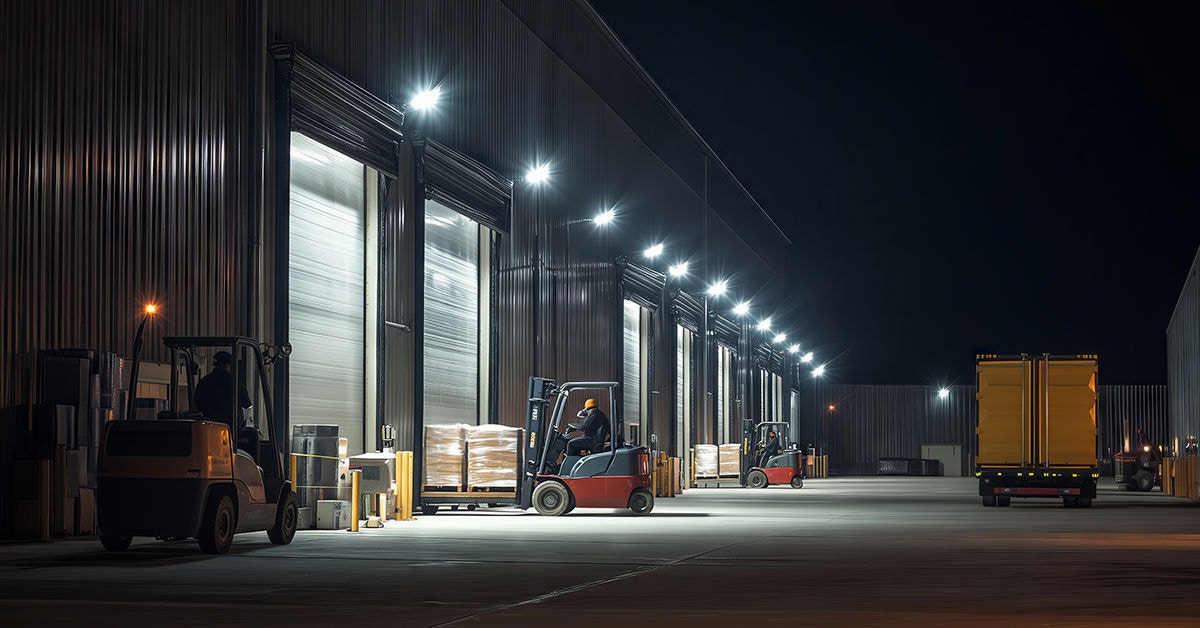
The leaves are changing, and so is the light. As daylight hours shrink and seasonal weather begins to change, many workplaces face a safety challenge that can be easy to overlook: reduced visibility. Employees may arrive before sunrise, leave after sunset, or spend more of their workday working in lower-light conditions than they did just a few weeks earlier.
The change can feel gradual, yet the safety implications can appear quickly. Tasks that seemed routine during the summer may become more difficult as natural light decreases.
When daylight starts working against you
Reduced visibility affects more than outdoor work. It can influence how employees move through parking lots, loading docks, walkways, yards, storage areas, and facility entrances. Hazards that are easy to spot in daylight may be missed during early morning, evening, or overcast conditions. A workplace doesn’t need to be dark for problems to occur; partially lit areas can create shadows, glare, and blind spots that make hazards harder to recognize. Common hazards that become harder to spot during the fall months include:
- Uneven walking surfaces;
- Changes in elevation that are difficult to see;
- Equipment, materials, or debris left in travel paths;
- Vehicle and pedestrian interactions that are harder to anticipate;
- Dimly lit loading dock edges and exterior storage areas;
- Burned-out or inadequate lighting; and
- Weather conditions that further reduce visibility.
Look at your workplace differently
As daylight hours shrink, it’s a good time to view your facility under the conditions employees encounter at the start and end of their shifts. An inspection conducted only at midday may miss hazards present during lower-light hours, especially in familiar areas employees may no longer notice closely. Improving the lighting may reveal and correct hazards employees have grown used to working around. Consider evaluating:
- Parking lots and employee walkways;
- Building entrances and exits;
- Loading docks;
- Outdoor storage areas;
- Stairways and elevated walking-working surfaces;
- Emergency exits and evacuation routes;
- Work areas where employees, vehicles, or mobile equipment interact; and
- Areas where seasonal weather may affect visibility.
Make visibility part of the conversation
Equipment, procedures, and physical improvements all play a role, yet employee awareness remains important. Training and safety discussions can help employees understand how shorter days affect their work and encourage them to report lighting concerns or changing conditions before an incident occurs. Helpful reminders may include:
- Slowing down when visibility is reduced,
- Keeping travel paths clear,
- Wearing high-visibility apparel when appropriate,
- Using vehicle and equipment lighting as intended,
- Reporting burned-out lights promptly,
- Watching for pedestrians during periods of reduced visibility, and
- Reassessing work areas when weather or lighting conditions change.
How Safety Management Suite Can Help

Use the convenient Walking-Working surfaces checklists found in the J. J. Keller® SAFETY MANAGEMENT SUITE to help identify potential hazards on walkways, stairways, dock boards, fixed ladders, and more. You’ll find them in the Audits and Inspections area within the Checklists link. We have checklists on more than 100 topics ranging from Aerial Lifts to Warehouses.
E-mail Newsletter
Sign up to receive the weekly EHS Insider email newsletter for safety articles, news headlines, regulatory alerts, industry events, webcasts, and more.