Create a plan for preventing heat illness
Date Posted: 07/10/2026
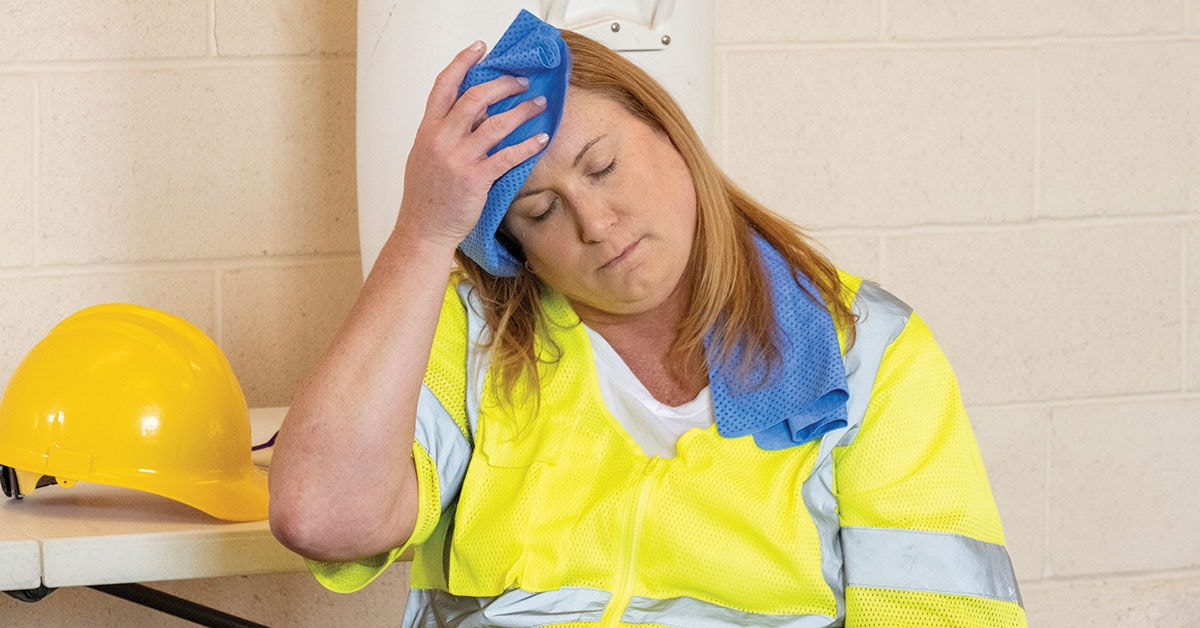
Every year, thousands of workers become sick from heat exposure, and about 40 cases are fatal. More than half of outdoor fatalities occur in the first few days of working in the heat because the body needs to gradually build a tolerance, known as heat acclimatization.
Heat-related illness can affect workers in many industries, at both indoor or outdoor worksites. Some risk factors include outdoor work in high heat, heat sources such as ovens or hot tar, strenuous physical activity, and heavy or non-breathable work clothes.
Although OSHA doesn’t have a standard that specifically addresses worker exposure to extreme heat (its Heat Injury and Illness Prevention rule remains in the proposed stage as of this writing), the agency does expect employers to take steps to prevent heat-related illnesses. OSHA inspectors do conduct heat inspections and do issue General Duty Clause citations when heat hazards are present and workers aren’t protected.
The agency also has a National Emphasis Program (NEP) for Outdoor and Indoor Heat-Related Hazards (CPL 03-00-024). The NEP targets 55 high-risk industries with significant exposure to indoor and outdoor heat hazards, across general industry, construction, agriculture, and maritime.
Create a prevention plan
OSHA encourages employers to identify heat risks early and implement effective controls such as water, rest, and shade before workers become ill. Employers also may consider developing a written heat illness prevention plan that outlines how they’ll protect workers from extreme heat. Elements to consider include:
- Who will provide daily oversight? Who will monitor weather reports for heat advisories?
- What engineering controls and work practices will be used to reduce heat stress?
- Who will provide training and what topics will be covered? Who will ensure that first aid and medical assistance is available?
- How will workers gradually develop heat tolerance? Consider re-acclimating workers returning from extended leave as well.
Heat conditions can change rapidly. A person at the worksite should be responsible for monitoring conditions and implementing the employer’s heat plan throughout the workday. That person might also be responsible for bringing a shelter to create shade, if needed, and for ensuring a supply of cool drinking water.
OSHA’s NEP recommends that workers be informed of the following (as applicable to the situation):
- Hazards of heat-related illnesses
- How to avoid heat-related illnesses by recognizing and avoiding situations that can lead to heat-related illnesses
- Recognition of signs and symptoms of heat-related illnesses
- First aid procedures
- Employer’s program to address heat-related illnesses
- Advise workers that certain medications and medical/health conditions can increase the risk of heat stress
- Alert workers to the dangers of using drugs and alcohol in hot work environments
- Encourage workers to consult a doctor or pharmacist if they have questions about whether they are at increased risk for heat-related illness because of health conditions they have and/or medications they take.
How Safety Management Suite Can Help

If you need more information about heat stress, check out the Topic link in J. J. Keller® SAFETY MANAGEMENT SUITE. You’ll find links to OSHA guidance, written plans, training programs and resources, and more. The site has hundreds of other topics as well, grouping all the information you need in one location.
E-mail Newsletter
Sign up to receive the weekly EHS Insider email newsletter for safety articles, news headlines, regulatory alerts, industry events, webcasts, and more.