The hidden dangers of extreme cold
Date Posted: 12/15/2025
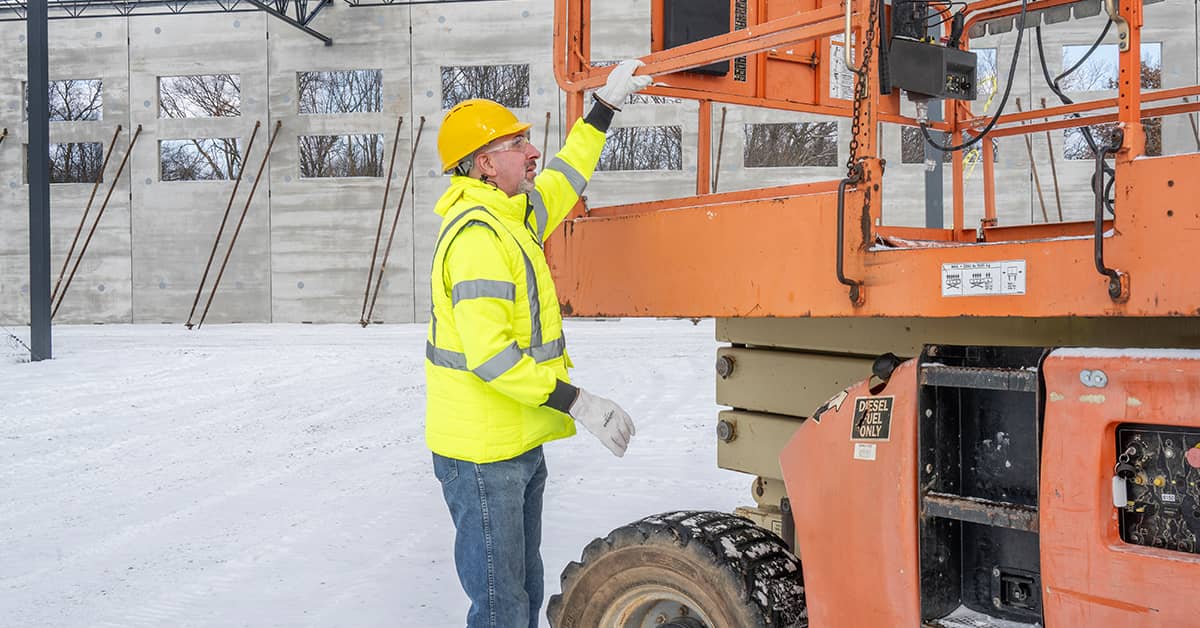
When cold temperatures take hold, wearing bulky sweaters and down jackets and doing the penguin walk across an icy parking lot may be all the attention we pay to the weather on a given day. For anyone working outside, however, cold stress is a real risk. In addition to snow cleanup crews, this may include sanitation workers, emergency personnel, construction crews, and other occupations. Cold stress occurs by driving down the skin temperature and eventually the internal body temperature. When the body is unable to warm itself, serious cold-related injuries and illnesses can occur, and permanent tissue damage or death may result.
What constitutes extreme cold varies across the country. In regions that aren’t used to winter weather, near-freezing temperatures are considered “extreme cold.” Cold temperatures and increased wind speed cause heat to leave the body more quickly, putting outdoor workers at risk.
Common types of cold stress
Cold stress encompasses several conditions, including frostbite, hypothermia, and trench foot.
Frostbite is freezing of the skin and underlying tissues. It most often affects the nose, ears, cheeks, chin, fingers, or toes. Symptoms include gray or white patches on reddened skin, tingling, aching, loss of feeling, firming or hardening skin, and blisters. Amputation may be required in severe cases.
Hypothermia occurs when body heat is lost faster than it can be replaced and the normal body temperature (98.6°F) drops to less than 95°F. While uncontrollable shivering is a mild symptom, it shouldn’t be ignored, as it indicates the body is unable to warm itself. Moderate to severe symptoms include loss of coordination, confusion, slowed breathing, and unconsciousness. Death can occur if symptoms aren’t relieved.
Trench foot is a non-freezing injury caused by prolonged exposure to wet and cold temperatures. It can occur at temperatures as high as 60°F if the feet are constantly wet. Symptoms include redness of the skin, numbness, swelling, and blisters.
Keep outdoor workers safe
- Train workers on how to prevent and recognize cold stress illnesses and injuries and what to do in an emergency.
- Provide engineering controls. For example, radiant heaters may be used to warm workers in outdoor security stations.
- Use safe work practices. This may include such things as providing liquids to prevent dehydration, scheduling heavy work during the warmer part of the day, and assigning workers to tasks in pairs so that they can monitor each other for signs of cold stress.
- Give workers frequent breaks in warm areas. Acclimatize new workers and those returning after time away from work, by gradually increasing their workload, and allowing more frequent breaks in warm areas, as they build up a tolerance for working in the cold environment.
How Safety Management Suite Can Help

Cold stress prevention can pose a challenge for employers. The Discussion Tool in the J. J. Keller® SAFETY MANAGEMENT SUITE is a great place to ask questions of your peers and get feedback on what works for them. They may have best practices and suggestions around this topic.
E-mail Newsletter
Sign up to receive the weekly EHS Insider email newsletter for safety articles, news headlines, regulatory alerts, industry events, webcasts, and more.