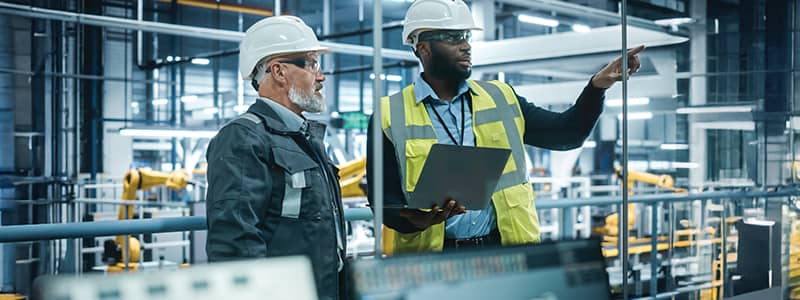


Having an OSHA inspector show up unexpectedly can be one of the most stressful moments for any safety manager. But with the tools and resources in J. J. Keller® SAFETY MANAGEMENT SUITE, you can stay ahead by conducting your own audits and inspections – helping you catch and fix safety issues before they turn into expensive violations.
Stay Ready With Our Audits & Inspections Solution
-
-
Pre-built Inspection Checklists
Evaluate your workplace’s safety compliance with comprehensive checklists designed for OSHA, EPA, and DOT inspections.
-

-
Audits & Inspection Events
Schedule upcoming audit and inspection events, and receive notifications to keep your business on track.
-
-
Centralized Task Management
Assign audit- and inspection-related tasks to anyone within your organization, across locations – even if they don’t have a SAFETY MANAGEMENT SUITE account.
-

-
Customizable Reporting
Attach images, notes, links, and other pertinent information to your audits and inspections, and generate detailed reports.
Quickly and conveniently perform safety audits!
- GET FREE CHECKLISTS

Prepping for the Pre-Inspection Opening Conference
When OSHA inspects a facility, they don’t give advance notice. The compliance officer should hold an opening conference to explain the reason for and scope of the OSHA inspection. However, if the receptionist who greets the compliance officer doesn’t know who to notify, the compliance officer may start the inspection without your knowledge – this has happened to some employers. To avoid having an OSHA compliance officer conducting a safety inspection without an escort, make sure your receptionists know what to do when someone from OSHA shows up and presents credentials.
Ed Zalewski | Sr. Editor, EHS

AUDITS & INSPECTIONS FAQs
A safety inspection is a workplace review conducted by OSHA to determine whether an employer is complying with safety and health standards. These inspections are authorized under the Occupational Safety and Health Act of 1970.
OSHA uses inspections to evaluate whether employers are meeting regulatory requirements and maintaining safe and healthful working conditions. These inspections help ensure compliance with established standards and identify potential workplace hazards.
A safety audit should systematically evaluate a workplace to assess regulatory compliance and the effectiveness of safety programs. It focuses on identifying applicable regulations, verifying compliance, and reviewing how well existing systems support safe operations.
A safety audit typically includes a review to:
- Identify which regulations apply to the company or facility
- Determine whether workplace safety, environmental requirements, and internal policies are being followed
- Assess management systems in place to ensure ongoing compliance
Audits may also evaluate the methods used to achieve and maintain compliance, helping organizations understand how effectively their processes support safety and regulatory requirements.
Hazard assessments should be performed as often as needed based on workplace conditions and risk levels. The frequency is determined by the employer, depending on the nature of the work environment and potential hazards.
For example:
- In low-risk environments like offices, assessments may be needed less frequently
- In higher-risk settings like factories, assessments may need to be conducted regularly
Employers should evaluate their specific risks to decide how often to perform assessments. Hazard assessments are also typically necessary when new equipment or processes are introduced.
Yes, OSHA regulations allow compliance officers to enter a workplace without delay to conduct inspections. However, employers have the right to request that the inspector obtain a warrant, even though one can typically be secured.
Under 29 CFR 1903.3, OSHA inspectors are authorized to enter workplaces to perform inspections. While an employer can insist on a warrant, doing so may:
- Delay the inspection process
- Lead the inspector to return with a warrant
- Potentially create the impression that the employer is being uncooperative
Although requesting a warrant is within an employer’s rights, inspections may proceed more smoothly if access is granted without delay.
You Need This Program!
"I just recently started with SFSWMA and was introduced to JJ Keller to keep our records. I love that it keeps all our information on the company, employees and trainings. You need this program, no ifs ands, or buts about it! It really does keep you compliant!"
Colleen Higgins-Vigil
Environmental Health, Safety and Training Administrator
Santa Fe Solid Waste Management Agency