Workplace emergencies: What's your plan?
Date Posted: 09/10/2026
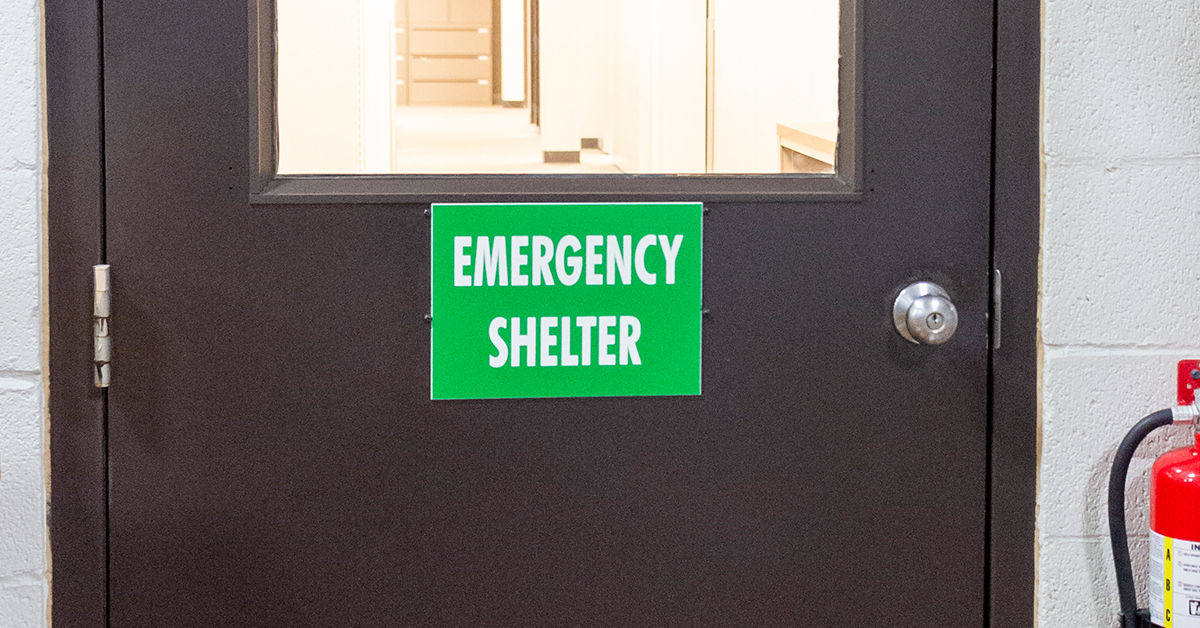
Fires, toxic chemical releases, hurricanes, tornadoes, blizzards, floods. Emergencies can happen anywhere at any time. It’s important to establish an emergency action plan (EAP) and prepare employees to handle emergencies before they arise.
Where required by some OSHA standards, companies with more than 10 employees must have a written emergency action plan; smaller companies may communicate their plans orally.
What's involved in an emergency action plan (EAP)?
When developing an EAP, it’s a good idea to look at a wide variety of potential emergencies that could occur in your workplace. The plan should be tailored to your worksite and include information about all potential sources of emergencies.
Plans should be reviewed with employees when initially put in place and re-evaluated and amended whenever the plan itself, or employee responsibilities, change. Emergency procedures should include:
- Escape procedures and escape route assignments,
- Special procedures for employees who perform or shut down critical plant operations,
- Systems to account for all employees after evacuation and for information about the plan,
- Rescue and medical duties for employees who perform them, and
- Means for reporting fires and other emergencies.
Who's in charge during an emergency?
The employer should designate an emergency response coordinator and a backup coordinator. This ensures that a trained person is always available. Employees should know who the designated coordinator is. Duties of the coordinator and employer include:
- Determining what emergencies may occur and seeing that emergency procedures are developed to address each situation,
- Directing all emergency activities including evacuation of personnel,
- Ensuring that outside emergency services are notified when necessary, and
- Directing the shutdown of plant operations when necessary.
What training is needed for workplace emergencies?
General training for employees should address:
- Individual roles and responsibilities;
- Threats, hazards, and protective actions;
- Notification, warning, and communications procedures;
- Means for locating family members in an emergency;
- Emergency response procedures;
- Evacuation, shelter, and accountability procedures;
- Location and use of common emergency equipment; and
- Emergency shutdown procedures.
You also may want to train employees in first-aid procedures, including protection against bloodborne pathogens; respiratory protection, including use of an escape-only respirator; and methods for preventing unauthorized access to the site.
How Safety Management Suite Can Help
How Safety Management Suite Can Help

Written plans, whether required or not, provide your company and its workers with safety and health goals and expectations, standard procedures, and defined responsibilities. They streamline your safety efforts and provide a foundation for keeping safety and health a priority. To help simplify your safety efforts, the J. J. Keller® SAFETY MANAGEMENT SUITE offers 120+ pre-written safety plan templates for OSHA, EPA, and DOT. Just choose your topic, fill out the form, and in minutes you’ll have a comprehensive written plan that’s built for your business.
E-mail Newsletter
Sign up to receive the weekly EHS Insider email newsletter for safety articles, news headlines, regulatory alerts, industry events, webcasts, and more.