Top 5 electrical safety violations in general industry
Date Posted: 07/17/2026
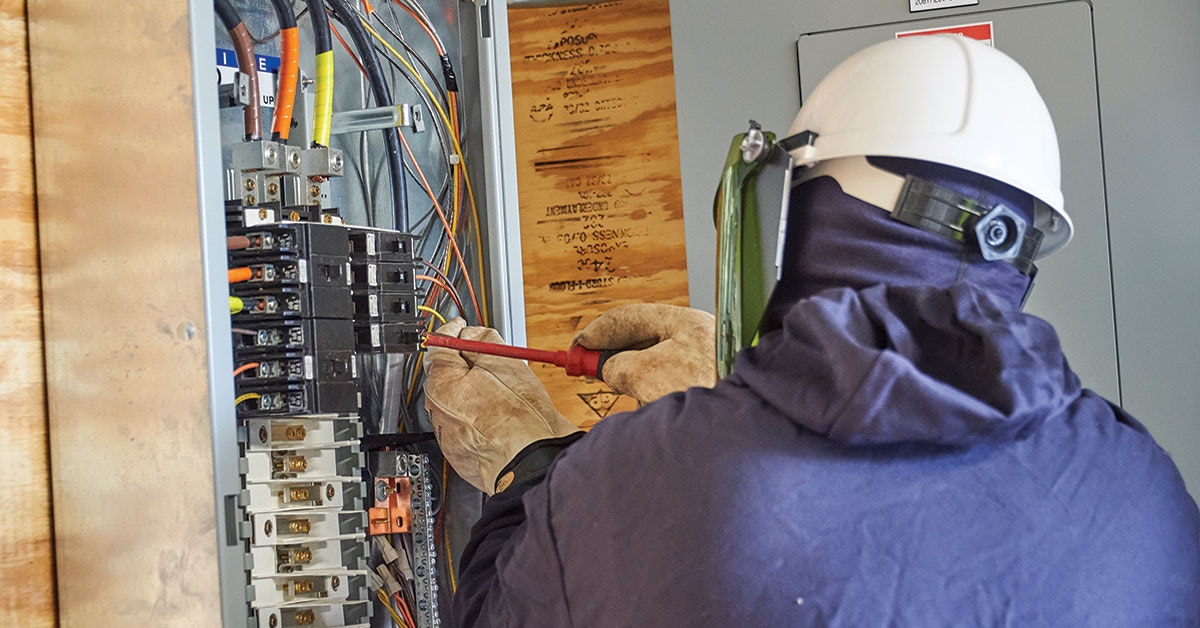
Electricity presents some of the most serious hazards employees face. A single mistake around electrical equipment can cause shocks, burns, fires, or even death. OSHA’s electrical standards for general industry (29 CFR 1910 Subpart S) are designed to protect employees exposed to dangers such as electric shock, electrocution, fires, and explosions.
Following are the top 5 electrical safety violations in general industry for fiscal year 2025:
1. 1910.303(b)(2). General – Proper installation and use of equipment.
What’s required: Electrical equipment must be installed and used according to the manufacturer’s instructions and the conditions of its listing or labeling.
Examples of common violations: Removing required covers or guards and continuing to use the equipment. Ignoring manufacturer instructions regarding mounting, ventilation, or overcurrent protection.
2. 1910.303(g)(1). General – Space about electrical equipment.
What’s required: Electrical equipment must have enough clear working space around it so employees can safely access, operate, and maintain the equipment.
Examples of common violations: Storing carts, boxes, or other items in front of an electrical panel. Using electrical rooms as storage areas.
3. 1910.305(g)(1)(iv)(A). Wiring methods – Flexible cords used as fixed wiring.
What’s required: Flexible cords and extension cords are intended for temporary use, not as a substitute for permanent electrical wiring.
Examples of common violations: Leaving extension cords in continuous use instead of installing permanent wiring. An OSHA publication reminds employers to: 1) Use factory-assembled cord sets; 2) Use only extension cords that are 3-wire type; 3) Use only extension cords that are marked with a designation code for hard or extra-hard usage; 4) Use only cords, connection devices, and fittings that are equipped with strain relief and remove cords from receptacles by pulling on the plugs, not the cords; and 5) Continually inspect cords on-site. Any that are damaged or modified must be removed from service immediately.
4. 1910.305(b)(2)(i). Wiring methods – Provided covers for boxes shall be identified.
What’s required: Pull boxes, junction boxes, and fittings must be provided with covers, faceplates, or canopies that effectively close openings and protect employees from contact with live electrical parts.
Examples of common violations: Open electrical panel openings or unused knockouts. Damaged or improperly secured faceplates.
5. 1910.305(g)(2)(iii). Wiring methods – Flexible cord strain relief.
What’s required: Flexible cords and cables must be connected to equipment in a way that provides strain relief, preventing tension or pulling from being transmitted directly to wire connections, joints, or terminal screws.
Examples of common violations: Cord jackets pulled away from plugs. Damaged plugs exposing internal conductors.
What training is needed?
Electrical safety training requirements are found in 1910.332 and apply to employees who face a risk of electric shock that is not reduced to a safe level by the electric installation requirements of 1910.303 – .308.
How Safety Management Suite Can Help

Use the convenient checklists found in the J. J. Keller® SAFETY MANAGEMENT SUITE to help identify potential electrical hazards in your organization. You’ll find them in the Audits and Inspections area within the Checklists link. We’ve provided checklists on more than 100 topics ranging from Aerial Lifts to Warehouses.
E-mail Newsletter
Sign up to receive the weekly EHS Insider email newsletter for safety articles, news headlines, regulatory alerts, industry events, webcasts, and more.